
WWII-Inspired Home Care for Sustainable Living Today
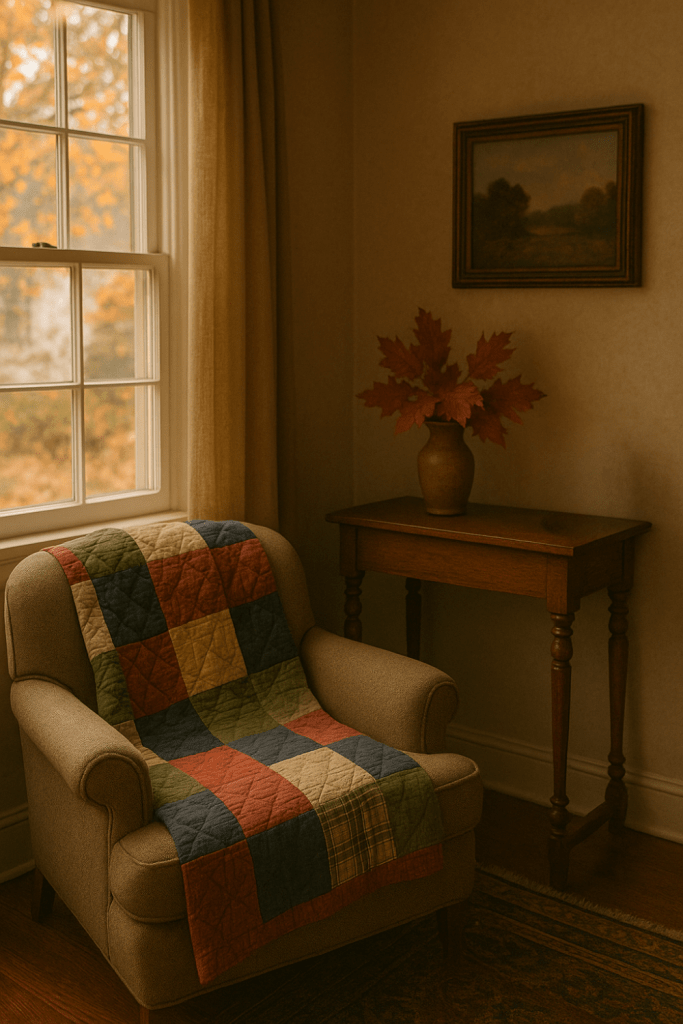
As the first cool days of autumn settle in, there’s something deeply comforting about preparing our homes for the colder months ahead. Today, we might reach for a new throw blanket or order décor online—but during the 1940s, people faced a very different reality. Wartime shortages and rationing meant that comfort had to be created, not purchased. Yet, out of necessity came creativity, community, and a sense of pride in caring for one’s home with resourcefulness and heart.
The “Make Do and Mend” mindset—born from the British wartime campaign encouraging civilians to repair, reuse, and repurpose—was more than just a slogan. It was a lifestyle that turned frugality into art and care into a daily expression of resilience. And though eighty years have passed, its wisdom feels more relevant than ever. Here’s how to bring that same warmth and ingenuity into your modern autumn home, inspired by the women of the 1940s.
1. Patch, Mend, and Reinvent
In the 1940s, nothing was thrown away if it could be repaired. Worn-out blankets were patched, sweaters were darned, and old coats were turned into children’s jackets. Every stitch extended the life of a beloved piece.
Try it today:
- Patchwork with purpose: If you have a blanket that’s thinning or a quilt that’s fraying, patch it with fabric scraps in warm autumn tones—plaid, wool, or even flannel from an old shirt. The mix of textures creates a cozy, cottage feel.
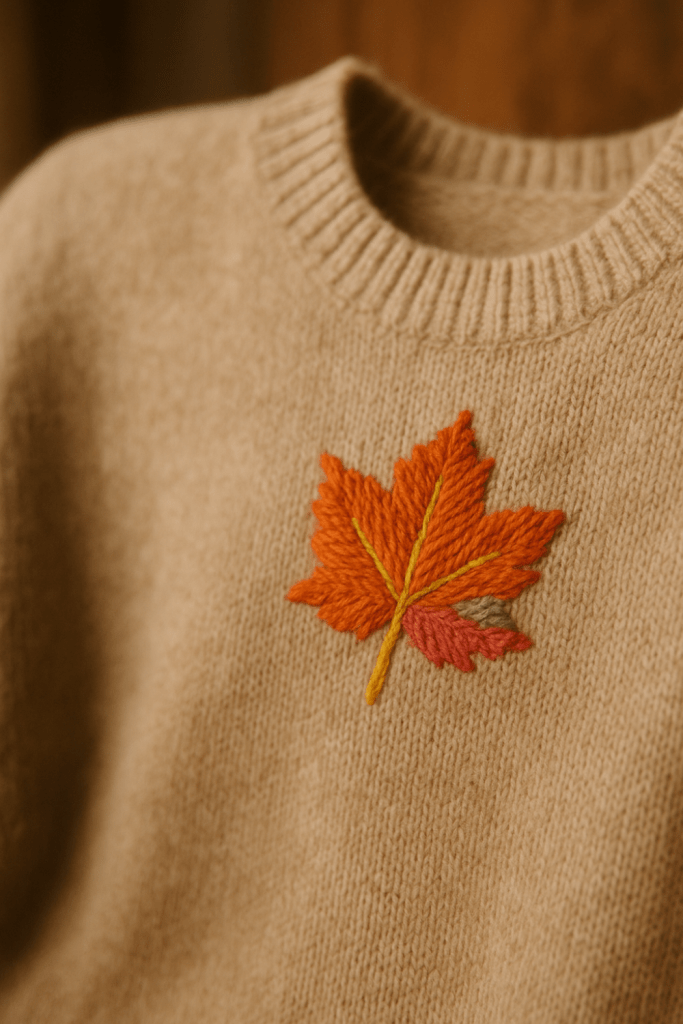
- Visible mending: Instead of discarding a sweater with a hole, try visible mending using embroidery floss or colorful yarn. A contrasting patch becomes a charming design detail rather than a flaw.
- Creative repurposing: Old curtains can become table runners, cushion covers, or aprons. Vintage-style floral cottons or ticking stripes bring that 1940s farmhouse charm into today’s spaces.
2. Layer for Warmth, Not Waste
Homes during WWII were often drafty and coal was rationed, so people layered clothing and home furnishings to trap warmth and make the most of what they had.
Try it today:
- Draft stoppers: Sew or tie together long tubes of fabric and fill them with Poly-Fill. It’s lightweight, waterproof, and rodent-proof—making it a practical modern alternative to the rice or beans people used decades ago. Place them at the bottom of doors or windows to keep warmth in and chilly drafts out.
- Layered comfort: Instead of turning up the heat, add soft wool blankets or plaid shawls at the foot of your bed, and place an extra throw or two on the sofa. Small touches make a big difference.
- Candlelight glow: In the 1940s, blackout restrictions limited artificial light. Today, try beeswax candles or battery-operated lanterns for that same cozy glow without the high energy bill.
3. Waste Nothing: A 1940s Philosophy
In wartime, every scrap of fabric, paper, and string was reused. Buttons were collected in jars, and old clothes were unpicked for their fabric or notions.
Try it today:
- Button jars: Keep a small jar of buttons, ribbons, and thread from clothes you no longer wear. My own button jar was started by my mother, who learned the tradition from her mother—a gentle reminder that thrift and creativity can be heirlooms too.
- Scrap baskets: Save leftover fabric, ribbon, and lace in a basket. You can use them for patchwork, sachets, or small crafts. Even the tiniest pieces can find new life.
- Eco-cleaning: Many 1940s households relied on vinegar, baking soda, and soap flakes for cleaning. I do the same in my home—it’s affordable, effective, and chemical-free. A simple mix of vinegar and citrus peel makes a fresh all-purpose cleaner that feels wholesome and nostalgic.
4. Warm the Heart, Not Just the Home
Despite rationing and hardship, homes of the 1940s were often described as cheerful. Freshly laundered linens, the smell of something baking, and a vase of foraged greenery lifted spirits even when supplies were scarce.
Try it today:
- Autumn foraging: Take a walk and gather fallen leaves, pinecones, or acorns to decorate your mantel or create a seasonal bowl for your table. These natural touches bring texture and warmth indoors for free.
- Bake something simple: A 1940s cook might have stretched ingredients with ingenuity—try a batch of Oatmeal Cookies or a classic Wartime Cake. These recipes are easy, frugal, and full of flavor.
Here’s one that’s as relevant now as it was then:
Wartime Cake Recipe (Eggless, Butterless (if you like), Milkless)
Adapted from a 1940s Ministry of Food recipe
Ingredients:
- 1 cup water or cold black coffee
- 1 cup raisins or mixed dried fruit (if large pieces please chop them up)
- 1/2 cup brown sugar
- 1/4 cup vegetable shortening or butter (if available)
- 1/2 tsp cinnamon
- 1/2 tsp nutmeg
- 1/4 tsp cloves
- 1 1/2 cups flour
- 1 tsp baking soda
- 1/2 tsp salt
Directions:
- In a saucepan, combine water, sugar, fruit, shortening, and spices. Bring to a boil and simmer for 5 minutes. Cool completely.
- Sift together flour, baking soda, and salt. Add to cooled mixture and stir until just combined.
- Pour into a greased loaf pan and bake at 350°F for 35–40 minutes.
- Cool before slicing. The flavor deepens after a day or two—just like good fruitcake.
This simple cake fills the house with a warm, spicy scent and is perfect with tea on a cool afternoon.
5. The Spirit of the Season
The heart of Make Do and Mend wasn’t just thrift—it was about connection, gratitude, and the satisfaction of self-reliance. Women shared patterns, swapped fabric scraps, and helped neighbors repair what they had. That spirit of community made even the hardest seasons a little brighter.
Try it today:
- Learn a skill for free: If you’ve never darned socks or mended sweaters, there are countless free tutorials on YouTube that teach traditional and modern techniques step by step. It’s easier than you think—and surprisingly relaxing once you get the hang of it.
- Repair gatherings: Host a small “mending afternoon” with friends or family. Bring your sewing baskets, make tea, and share stories while you mend. You’ll revive not only your belongings but also a sense of companionship that defined the 1940s homefront.
A Modern Takeaway
As prices rise and seasons shift, looking back to the 1940s reminds us that resilience doesn’t mean doing without—it means doing differently. A patch can be a badge of pride, a jar of buttons a link to the past, and a cozy home something you build with your hands, not your wallet.
This autumn, instead of buying new, try making do and mending—for your home, your budget, and the planet. You might just find that true warmth isn’t measured in degrees—it’s measured in care.
Discover more from Naturing Relaxation
Subscribe to get the latest posts sent to your email.

 Naturing Relaxation