
Meditation is a powerful practice that can help us find peace, clarity, and mindfulness. Whether you’re just starting your meditation journey or you’ve been practicing for a while, incorporating candles into your routine can significantly enhance your experience. Candles not only provide a calming ambiance but also serve as a focal point for your attention, helping you stay grounded and centered. In this beginner’s guide, we’ll explore how you can use candles to deepen your meditation practice, fostering a deeper sense of focus and relaxation.
Why Use Candles in Meditation?
Before we dive into how to use candles in meditation, let’s first explore why they’re so effective. The soft, flickering light of a candle helps to create a serene environment, setting the stage for a peaceful and calming practice. It provides a gentle focus point, so your mind can stay present and anchored, reducing distractions and promoting mindfulness.
Additionally, the scents of candles can enhance the atmosphere, promoting emotional balance, relaxation, and a sense of inner peace. Whether you’re drawn to the soothing aroma of lavender, the uplifting notes of citrus, or the grounding scent of sandalwood, the right candle can help you connect more deeply with your meditation.
How to Incorporate Candles into Your Meditation Practice
Here are a few simple ways to incorporate candles into your meditation routine:
1. Candle Gazing Meditation (Trataka)

One of the most common ways to use candles in meditation is through a practice called Trataka (candle gazing meditation). This practice involves focusing on the flame of a candle, which can help clear your mind and improve concentration. Here’s how you can practice it:
- Step 1: Light your candle and place it at eye level, about 3 feet away from you. Ensure that the room is dim or dark to enhance the candle’s light.
- Step 2: Sit in a comfortable position with your spine straight and your body relaxed.
- Step 3: Gaze at the flame without blinking. Allow your mind to become fully absorbed in the movement of the flame and its soft light.
- Step 4: If your mind wanders, gently bring your attention back to the flame. You may start with just a few minutes and gradually increase the duration over time.
- Step 5: To close the practice, gently close your eyes and visualize the flame in your mind’s eye, maintaining the sense of calm and focus you’ve cultivated during your meditation.
2. Scented Candle Meditation
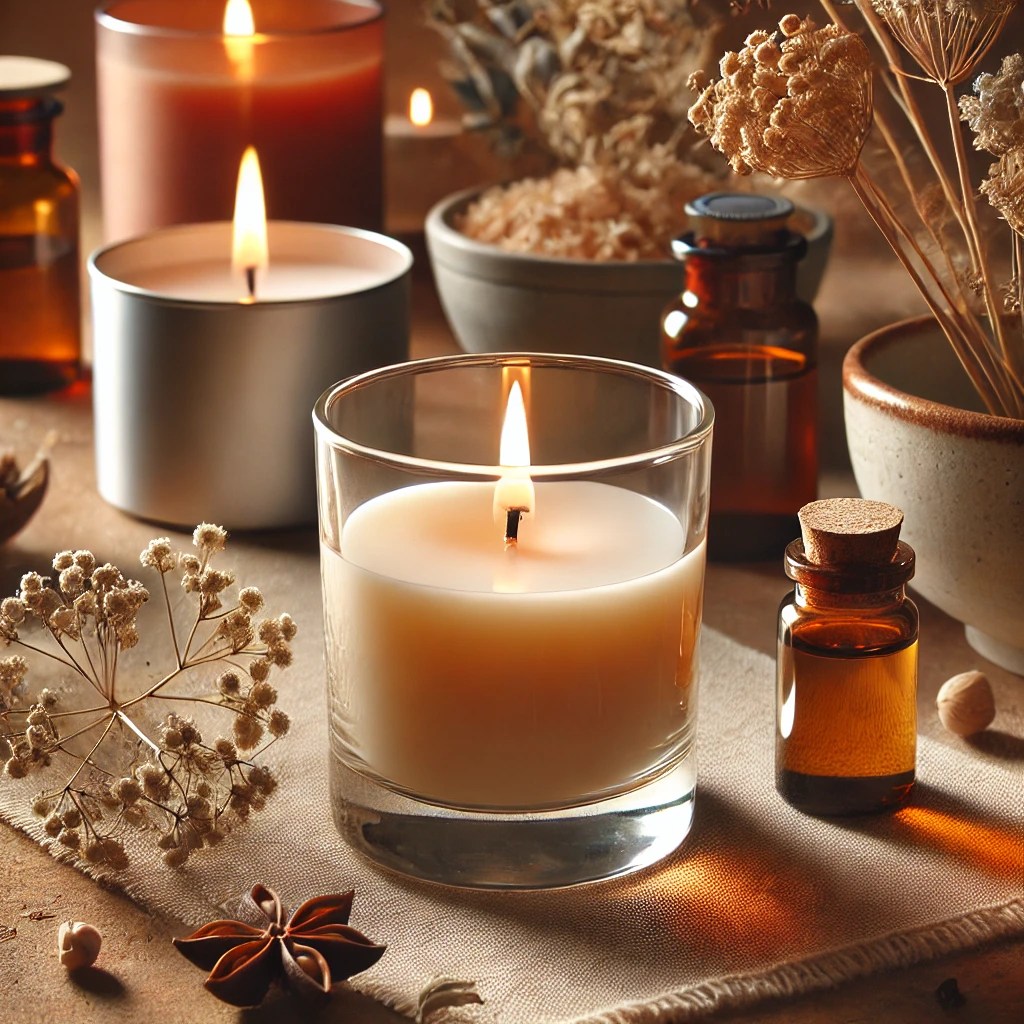
Candles with soothing scents can enhance your meditation experience by promoting relaxation and emotional balance. Here’s how you can incorporate scented candles:
- Step 1: Choose a scented candle that aligns with your intention for meditation. For relaxation and stress relief, lavender or chamomile scents are perfect. For focus and clarity, try citrus or sandalwood.
- Step 2: Light your candle and place it in front of you or beside you while sitting comfortably.
- Step 3: Focus on the gentle flickering light of the candle, inhaling the scent deeply as you breathe.
- Step 4: As you breathe in, imagine the scent filling your body with relaxation and positive energy. With each exhale, release any tension or negative thoughts.
- Step 5: Allow the scent to guide your practice, helping to calm your mind and deepen your focus.
3. Guided Meditation with Candlelight
If you enjoy guided meditations, try combining them with candlelight for a more immersive experience. The candle creates a peaceful atmosphere that can amplify the calming effects of the meditation.
- Step 1: Light your candle and place it in a spot where it’s visible, but not distracting.
- Step 2: Start your guided meditation audio or app, allowing the gentle flicker of the candlelight to enhance the soothing voice of the guide.
- Step 3: Let the light serve as a visual cue to help you stay present throughout the meditation.
- Step 4: As the meditation progresses, focus on the light and the guide’s instructions, allowing yourself to surrender to the moment.
4. Candle as a Symbol of Intention
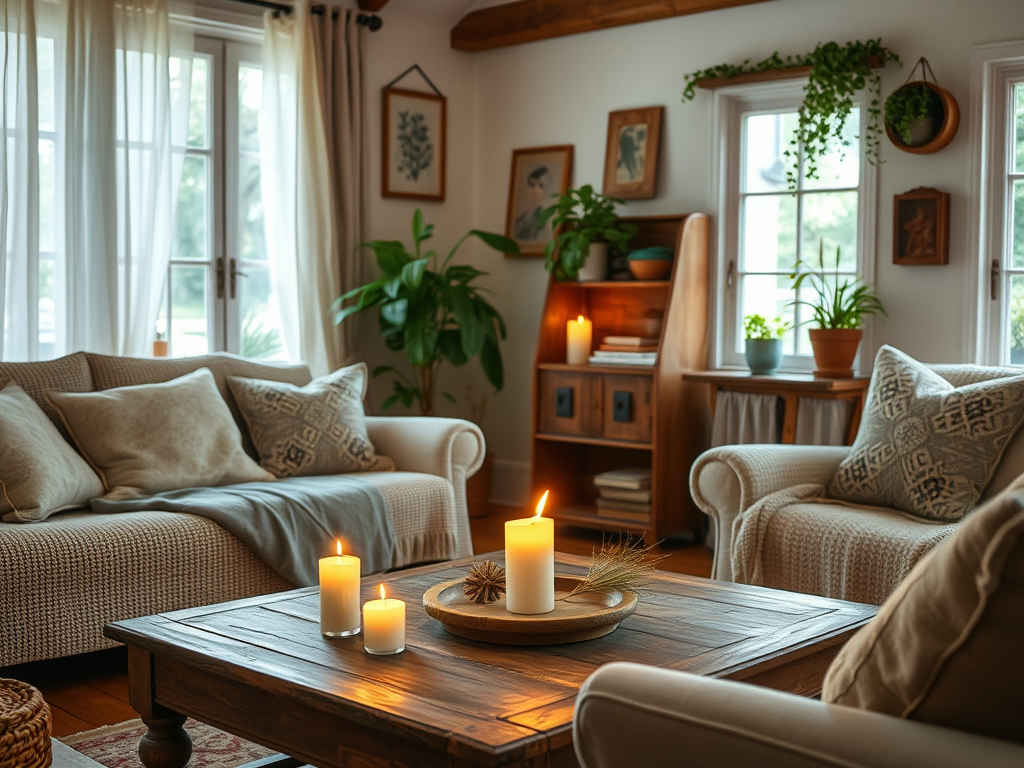
A candle can also serve as a symbolic tool for setting intentions during meditation. Lighting a candle can represent the beginning of your practice, and the flame can be used to symbolize focus, peace, or clarity.
- Step 1: Light a candle with an intention in mind. It could be something like “I seek clarity,” “I want to feel calm,” or “I am open to healing.”
- Step 2: Sit quietly, allowing the candle’s light to reflect your intention.
- Step 3: As you meditate, focus on the flame and visualize your intention coming to life, with the flame representing the manifestation of that energy.
- Step 4: As you end your practice, express gratitude for the space you’ve created and the intention you’ve set.
Tips for Creating a Perfect Candle Meditation Space
To get the most out of your candle meditation practice, here are a few tips:

- Choose the Right Candle: Opt for candles made with natural ingredients, like soy or beeswax, for a cleaner, longer-lasting burn. The scent should enhance your practice, not overpower it.
- Set the Mood: Dim the lights or turn them off entirely. The candle’s soft light will be enough to create a peaceful ambiance.
- Create a Comfortable Space: Arrange cushions or a cozy blanket to sit on, and make sure your environment is quiet and free from distractions.
- Be Mindful of Safety: Always keep the candle in a safe place, away from anything flammable, and never leave it unattended while lit.
Conclusion
Using candles in meditation can be a simple but powerful way to deepen your practice. Whether you’re focusing on the flicker of the flame, inhaling the soothing scent, or using the candle as a symbol of intention, it helps create a calm and serene atmosphere that nurtures mindfulness. Take your time with your candle meditation, experimenting with different scents and techniques to discover what works best for you. With a little patience and practice, you’ll soon find that candles are an invaluable tool for your meditation routine, offering both physical and emotional peace.
Discover more from Naturing Relaxation
Subscribe to get the latest posts sent to your email.

 Naturing Relaxation