In Sweden, the word “fika” is more than just a coffee break; it’s a cherished tradition that embodies relaxation, connection, and self-care. Rooted in Swedish culture, fika is a moment to pause, savor, and engage in meaningful interactions. Let’s explore the history of this beloved practice and how it ties into the broader concepts of self-care and relaxation.
What Is Fika?
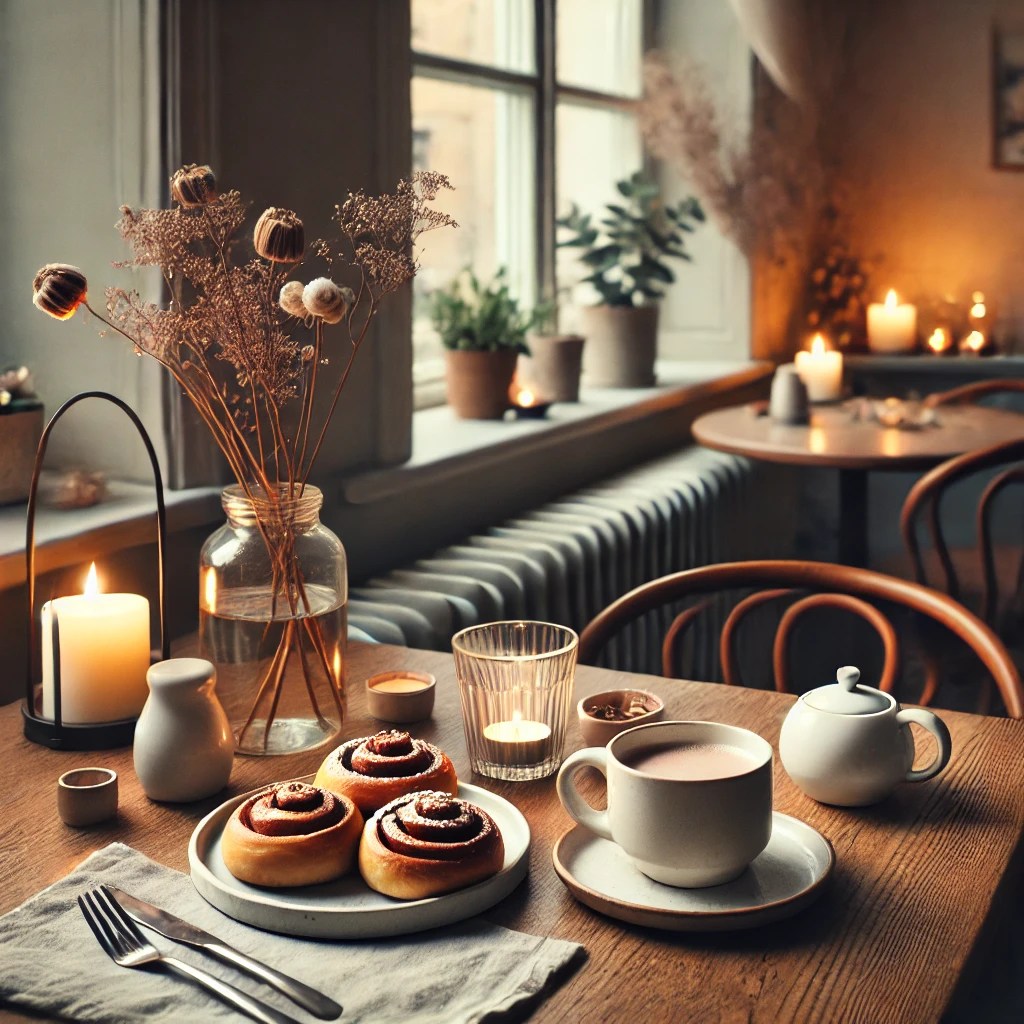
Fika (pronounced fee-ka) is a Swedish word that refers to a coffee break accompanied by pastries, sandwiches, or other light snacks. But it’s much more than a quick stop for caffeine. Fika is about creating a space in the day to slow down, connect with others, and savor life’s simple pleasures. It can happen at work, at home, or in a cozy café, and it often involves good company and an atmosphere of warmth.
A Brief History of Fika
The origins of fika can be traced back to Sweden’s 18th-century coffee culture. Coffee was introduced to the country in the late 1600s and quickly became a staple, despite intermittent bans and taxation by the Swedish government. Over time, coffee-drinking evolved into a social activity, and by the 20th century, fika had become a deeply ingrained cultural ritual.
The word “fika” itself is thought to have originated from the old Swedish word “coffee” (“kaffi”), with the syllables reversed in a playful linguistic twist. Today, fika is so central to Swedish life that it’s considered a cornerstone of the country’s work-life balance.
Fika and Self-Care

At its core, fika is about self-care. It’s an intentional pause in the day to recharge, reflect, and reconnect. Unlike the hurried coffee breaks common in many parts of the world, fika invites you to slow down and be present. Here’s how fika aligns with self-care:
- Mindfulness: During fika, you’re encouraged to fully experience the moment—whether it’s the taste of a freshly brewed coffee, the texture of a flaky cinnamon bun, or the joy of a meaningful conversation.
- Connection: Sharing fika with friends, family, or colleagues fosters a sense of community and belonging, which is essential for emotional well-being.
- Relaxation: Taking time away from the hustle and bustle of daily life to unwind with a comforting ritual helps reduce stress and promote relaxation.
How to Incorporate Fika into Your Life

You don’t have to live in Sweden to embrace the spirit of fika. Here are some simple ways to incorporate this practice into your day:
- Create a Cozy Atmosphere: Set the stage with a comfortable space, perhaps a favorite chair, a warm blanket, and a candle or two.
- Choose Quality Snacks: Pair your coffee or tea with something delicious, like a homemade treat or a bakery-fresh pastry.
- Invite Others: Fika is best enjoyed with company. Whether it’s a friend, family member, or coworker, share the moment and engage in genuine conversation.
- Unplug: Step away from screens and distractions to fully immerse yourself in the experience.
- Schedule It: Make fika a regular part of your routine, whether it’s a mid-morning break or an afternoon ritual.
Fika: A Gateway to Hygge
The spirit of fika shares similarities with the Danish concept of hygge—a feeling of coziness, contentment, and well-being. Both traditions celebrate slowing down and finding joy in life’s small moments. Together, they remind us of the importance of balance, presence, and self-compassion.
Final Thoughts
Fika is more than a coffee break; it’s a celebration of mindfulness, connection, and self-care. By embracing this Swedish tradition, you can bring a sense of peace and joy to your daily life. So why not take a moment today to enjoy your own version of fika? Brew a cup of coffee, savor a sweet treat, and let yourself pause and relax. It’s a small act with the power to transform your day.
Discover more from Naturing Relaxation
Subscribe to get the latest posts sent to your email.

 Naturing Relaxation